Clogged toilet services in New Jersey: a one-off clog, or a sign of something deeper
Most clogged toilets clear with a plunger. The ones that do not, or that keep returning, are telling you something about the trap, the branch or the main line. Knowing which matters more than the clog itself. We connect New Jersey customers with independent technicians for clogged Toilet services across the state.
Clogged toilet services in New Jersey: what to try first
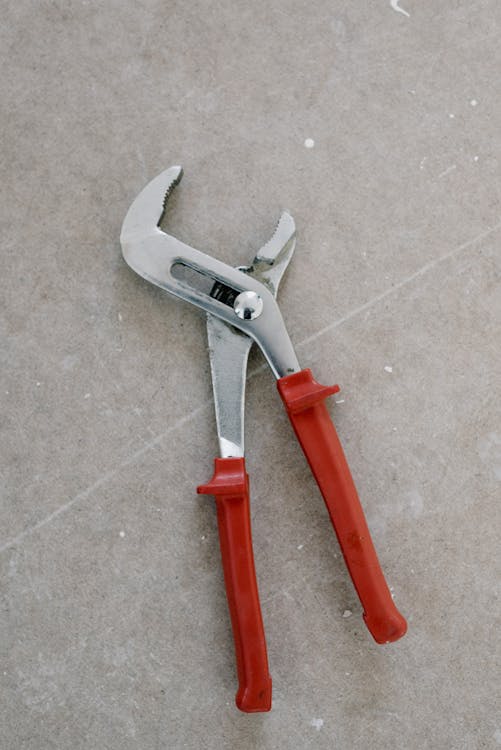
Use a flange plunger, which has a rubber extension that seats in the toilet outlet, rather than a cup plunger made for flat surfaces. Run just enough water to cover the cup, press in slowly to avoid splashing, and pull and push with steady strokes for about twenty seconds. A closet auger, a short cable with a curved end, reaches the trap from the bowl without scratching the porcelain. A toilet that keeps overflowing counts as urgent; see emergency drain cleaning.
Do not flush again if the bowl is near the rim. Wait, and see if the level drops. Turn off the water at the shutoff valve behind the toilet if the tank keeps filling.
What to avoid
Chemical drain products do not belong in a toilet. They can sit in the bowl and splash back, and they can harm older fittings. Do not use a wire coat hanger, which scratches porcelain and can lodge in the trap. Do not keep flushing hoping it will clear. If water is rising, stop, close the shutoff valve and call.
The trap and what lodges in it
A toilet has a built-in S-shaped trap, narrow by design. Too much paper, toys, wipes, cotton balls, and feminine products are the usual cause of a toilet-only clog. The obstruction is within a few inches of the bowl, and a closet auger reaches it. Occasionally an object lodges beyond the trap and the toilet may need to be removed. Removing and resetting a toilet is plumbing work, and the technician will tell you if that is the next step.
Wipes and flushable products
Products sold as flushable do not break down like toilet paper. They tangle with each other and with hair, snag at joints and rough pipe, and are a leading cause of main line clogs in homes and municipal pumping stations. Toilet paper alone rarely causes repeat problems. If your household uses wipes, the cure is the bin, not the toilet.
When the toilet is not the problem
If the toilet clogs and other fixtures are slow or gurgle, the branch or main line is involved. A toilet that gurgles when the washer drains, or that rises when the tub empties, is part of a larger pattern. See main sewer line clogs and every drain backing up.
Low-flow toilets and older homes
Older toilets use more water per flush and move waste with brute force. Modern low-flow toilets use less and rely on good design; in older drain lines with little fall or scale, the reduced flow may not carry waste as far. A toilet that flushes weakly in an older home can reflect the line rather than the toilet. A camera shows if so.
Toilets on septic
On septic, too much paper and non-degradable products shorten the time between problems. If every drain is slow, not only the toilet, tell the dispatcher you are on septic. The technician clears the line to the tank and tells you what they see. See septic home drain clogs.
What is not drain cleaning
Running toilets, leaks at the base, fill valves, flappers, wax rings and replacements are plumbing repairs. We connect you with drain cleaning only, and the technician will say if the problem needs a plumber.
After the clog
Flush a few times and watch the level. Check around the base for leaks. If the toilet clogs again within days, the cause may be further down. Ask the technician what they pulled out and where, and whether the line is worth a camera look.
Children, toys and objects
Toddlers love flushing things. Toys, washcloths, diapers, wet wipes, cotton balls and bath products all end up in toilets, and most of them do not pass the trap. The sign is a toilet that clogs suddenly, often with a clunk or a gurgle, and does not respond to plunging. If you know something went in, say so. It changes the approach: the technician will try to retrieve the object rather than push it deeper, and will tell you honestly if the toilet must come off the floor for it.
Keep the lid down, keep small objects out of the bathroom, and teach older children what goes in the toilet. It prevents more calls than any drain product.
Water level, tank and shutoff
Knowing three things makes a clog much less stressful. Where the shutoff valve is, on the wall or floor behind the toilet, and which way it turns. How to lift the tank lid and push the flapper down to stop the tank refilling. And that you should never flush again if the bowl is near the rim. Close the valve, put towels around the base and wait. A bowl that slowly falls on its own will often clear with a gentle plunge.
If the water keeps rising, if sewage is coming up in other fixtures, or if the floor around the base is wet, stop using water throughout the house and call. Water on the floor from a backed-up toilet is not clean, and children and pets should stay away from it.
What affects the price
A single toilet clogged by an object in the trap is a short visit with a closet auger. A clog in the branch or main line is a different job, with a larger machine and possibly a camera. Removing and resetting a toilet, if an object cannot be reached from above, is plumbing work that takes more time and may need a new wax ring. The technician looks first, explains the plan and gives you the price before starting.
After-hours calls differ from weekday mornings, and the technician explains how. If you are comparing, ask what is included.
Questions worth asking the technician
Ask what was in the toilet and where it sat. Ask whether the other fixtures drained normally while they worked. Ask whether the line looked clear after, and whether a camera is worth it if the toilet has clogged before. Ask what you can do to stop it happening again, whether a different toilet, less paper, or no wipes. Keep the answers; they help if it happens again.
Plunging with care
Use a flange plunger, which seals in the toilet outlet, and push gently first to move the air out, then pull and push with firm strokes. Stop if water nears the rim. Do not mix chemicals or use drain cleaners in a toilet, since they can splash and harm a technician later.
When it is not the toilet
If other fixtures are slow, or the lowest tub bubbles when you flush, the blockage is probably in the branch or main. Plunging will not fix that, and repeated flushing only adds water to the line.
Common questions
Why does my toilet keep clogging?
Too much paper or wipes, an obstruction in the trap, or a line problem. A camera shows which.
Which plunger should I use?
A flange plunger designed for toilets.
Are flushable wipes safe?
No. They do not break down like paper and cause clogs further down the line.
Should I use a chemical cleaner on a clogged toilet?
No. Not in a toilet.
What if other drains are slow?
The branch or main line is involved. Tell the dispatcher.
Is it an emergency?
If water is rising or sewage is coming up, stop using water and call.
What if a toy is stuck?
Stop flushing. The technician can retrieve it or tell you if the toilet must be removed.
What about septic with a clogged toilet?
Tell the dispatcher. The technician clears the line to the tank.
Do you repair toilets?
No. We connect you with drain cleaning only.
Related drain services
- Bathroom sink drain cleaning
- Shower and tub drain cleaning
- Main sewer line clog
- Every drain backing up
- Septic home drain clogs
- Gurgling and slow drains
Looking for clogged toilet help in your town? See the areas we cover.
Toilet will not clear?
Stop flushing, close the shutoff valve, and call.