Bathroom sink drain cleaning services in New Jersey: hair, soap and the pop-up stopper
A slow bathroom sink is one of the simplest drain problems and often the quickest to fix. The cause is nearly always hair and soap in the first few inches of the drain, and the stopper mechanism that holds them. We connect New Jersey customers with independent technicians for bathroom Sink Drain Cleaning services across the state.
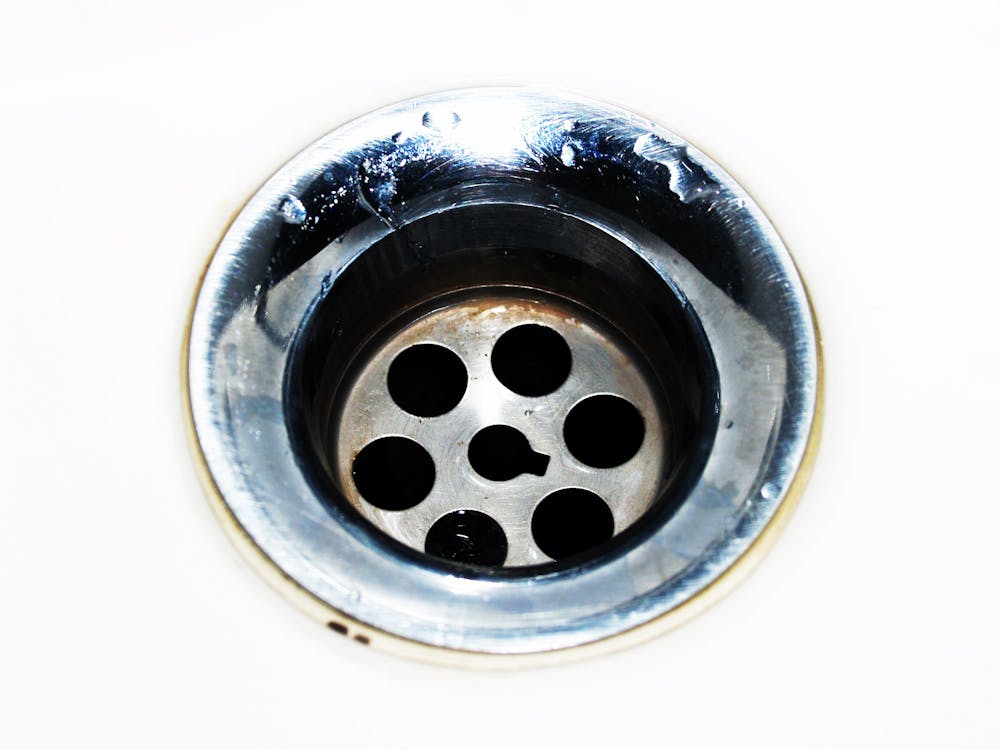
What is clogging a bathroom sink in New Jersey homes
Hair and soap scum collect around the pop-up stopper and in the tailpiece just below it. Toothpaste, shaving residue and skin oils add to the mat. The trap, a U-shaped bend under the sink, collects whatever passes. The result is a sink that empties more slowly week by week.
Because it is so close to the surface, most bathroom sink clogs are easy to reach. That is the good news. The less good news is that they return unless the habit changes.
The stopper
Many bathroom sinks have a pop-up stopper operated by a lever behind the faucet. The stopper sits in the drain, and hair wraps around its stem and pivot. Removing it, usually by lifting or unscrewing it, often clears the clog on the spot. Some designs need a nut under the sink released first. Be gentle and have a towel ready.
What you can safely try
Remove the stopper and clean it. Use a small drain tool or a bent wire to pull hair from the drain. Place a bucket under the trap and unscrew it to clear it. Replace washers carefully and check for leaks. Please avoid chemical drain cleaners, which can sit in the pipe and damage older fittings, and avoid forcing a plunger on a sink with an overflow hole unless you block it.
How the technician clears it
A small hand or drum auger goes through the stopper opening or the trap arm to clear the branch. Where the sink drains into a shared stack or the main line, a longer cable is used. Once flow is restored, the technician runs water, checks for leaks at the trap and stopper and, if a camera is warranted, shows what is beyond.
When more than the sink is slow
If the shower or toilet is slow as well, the clog is probably further down, in the bathroom branch or main line. If every drain upstairs is slow, tell the dispatcher. See every drain backing up and main sewer line clogs.
A sink that drains but gurgles may have a venting problem; the technician can tell you if it looks like one.
Smells from the sink
A bathroom sink that smells like sewage may have a dry trap, a buildup of soap and hair on the walls of the drain, or a venting problem. Running water and cleaning the overflow channel often fixes the first two. If the smell persists, a technician can look. See sewer smell in the house.
Older homes and rentals
Older bathroom sinks may have corroded pivots and fittings, and a small drain bore that scales quickly. In rentals, hair and products build up between cleanings. A strainer or hair catcher is cheap and effective. Owners and managers can include it in the setup. See rental property drain cleaning.
The pop-up and the tailpiece
Many bathroom sinks drain through a pop-up with a pivot rod. Hair and toothpaste residue collect on the rod, and removing it for cleaning is often the whole fix. Place a bucket under the trap before loosening anything.
When the sink keeps slowing
If the sink is clean at the stopper and still slow, or gurgles, the trap arm or the branch behind the wall may be restricted. Tell the dispatcher what you tried so the technician does not repeat it.
What cleaning cannot do
Cleaning clears the drain. It does not replace worn fittings, fix leaky faucets or repair damaged pipe. If the technician finds a corroded part, they will tell you. Cleaning cannot promise the clog will not return.
The overflow channel
Most bathroom sinks have a small overflow hole near the top of the basin, connected to a channel that runs down behind the bowl and joins the drain below the stopper. It is there to stop the basin overflowing, but it also collects soap, toothpaste and residue, and can be the source of a smell that cleaning the drain itself does not fix. A bottle brush and hot water, or an old toothbrush, clears it.
It also matters when you plunge. Block the overflow with a wet cloth or your hand so the pressure goes down the drain rather than out the hole. Without that, a plunger on a bathroom sink does very little.
Hair products, makeup and residues
Not all bathroom clogs are hair. Facial scrubs with grit, clay masks, some hair gels and heavy conditioners, cotton products, floss, and dental products all collect in the trap. Clay and plaster-like products can set in the pipe. Cat litter, flushable wipes and cotton pads belong in the trash, not the sink or toilet.
If a clog formed after a household project, such as a hair colour, a face mask or a messy craft, tell the technician. It affects the approach, and avoids a surprise when the trap is opened.
The trap and trap arm
Under the sink, a U-shaped trap holds a plug of water that seals out sewer gas. Beyond it a short horizontal trap arm runs into the wall. Most clogs live in the trap, the tailpiece above it, or the first few feet of the arm. Removing the trap, which on many sinks is two slip nuts hand-turned, gives direct access to the first two. Have a bucket and a towel handy, because the trap is full of water.
If the clog is further in, in the arm or past the wall, a small auger is needed. The technician carries these and will often clear a bathroom sink in a short visit.
When there are several bathrooms
In a house with more than one bathroom, a slow sink in one and normal drains in the others tells you the problem is local to that sink's branch. A slow sink in a bathroom that shares a branch with the shower or toilet suggests the branch. A slow sink along with a slow fixture on another floor points to the main line. Tell the dispatcher what you notice and the order. It helps send the right equipment.
In older houses, bathrooms stacked above each other may share a vertical stack, and a clog in the stack affects them all.
Questions worth asking the technician
Ask what was in the drain and where it sat: the stopper, the trap, or further along the arm. Ask whether the pipe looked sound, whether the fittings are worn and whether a hair catcher or a different stopper would help. Ask whether anything suggests a venting problem if the sink gurgled.
If the sink clogs often, ask whether the cause might be further down the branch or in the main line, and whether a camera is worth it. If you manage a rental, ask what to tell occupants. Short, plain notes about what not to put down the drain prevent most repeat calls.
Keep the technician's answers with your home notes. They help the next visit and, if you ever sell, show a record of care.
Common questions
Why is my bathroom sink draining slowly?
Hair and soap around the stopper and in the trap.
Can I remove the stopper myself?
Often, yes. Some designs need a nut released under the sink.
Should I use a chemical cleaner on a bathroom sink?
We would rather you did not.
Why does it gurgle?
Possibly a clog further down, or a venting problem.
Why does it smell?
A dry trap, soap buildup or venting. Running water often helps.
What if the shower is slow too?
The clog is probably further down the branch.
Will a strainer help?
Yes. Hair is the main cause.
Do you replace faucets?
No. We connect you with drain cleaning only.
Will it clog again after a bathroom sink clears?
It can. Cleaning cannot promise otherwise.
Related drain services
- Shower and tub drain cleaning
- Clogged toilet
- Gurgling and slow drains
- Sewer smell in the house
- Repeat drain clogs
- Rental property drain cleaning
Looking for bathroom sink drain cleaning help in your town? See the areas we cover.
Slow sink?
Call, and we will connect you with a local technician.